Basement Waterproofing NJ Explained for Homeowners in Plain English
If you own a home in New Jersey long enough, water becomes part of the conversation. Sometimes it starts with a musty smell after a hard rain. Sometimes it is a damp corner behind stored boxes, or a white chalky stain on the foundation wall, or a sump pump that suddenly seems to run every time the forecast turns ugly. A basement does not need standing water to have a water problem. In many houses, the first signs are subtle, and by the time the issue feels urgent, the damage has been building for months or years.
That is why Basement Waterproofing NJ matters to so many homeowners. New Jersey has older housing stock, varied soil conditions, high water tables in some areas, and plenty of storms. Add freeze and thaw cycles, clogged gutters, short downspouts, or aging foundation walls, and you have a recipe for recurring moisture problems. The good news is that basement waterproofing is not magic, and it does not need to be mysterious. Once you understand how water gets in and what different fixes actually do, the subject becomes much easier to judge.
Start with one simple truth: water always takes the easiest path
Most homeowners picture water as something dramatic, like a flooded basement after a storm. That can happen, but many basement problems are slower and quieter. Water moves through soil, presses against your foundation, follows cracks, seeps through porous concrete, and slips through tiny gaps where pipes pass through the wall. Humidity can also create trouble without any visible leak. A basement that feels cool in summer can collect moisture from humid air, and that dampness can feed mold, mildew, and wood rot.
In plain terms, waterproofing is about pressure, drainage, and control. If water builds up outside the foundation, it creates hydrostatic pressure. That pressure pushes water toward any weak point. If your property sheds rainwater poorly, if your footing drains are clogged or missing, or if the grading slopes toward the house, the problem gets worse. A dry basement usually depends on managing water before it builds up, not just reacting after it enters.
That distinction matters because some products are sold as complete fixes when they are really surface treatments. A fresh coat of waterproof paint might improve the look of a wall, but it does not relieve outside water pressure. It can be part of a system in the right setting, but it is rarely the full answer when there is active seepage.
Why New Jersey basements have their own set of challenges
Basements in New Jersey are not all the same. A stone foundation in an older North Jersey home behaves differently from a poured concrete wall in a newer suburban house. A property near the shore can face different moisture conditions than one farther inland. Even within the same town, one lot may drain well while the house next door traps runoff in the backyard.
The region’s weather adds another layer. Heavy rain events can dump a lot of water in a short time. Snowmelt can saturate the ground in late winter and early spring. Freeze and thaw cycles can widen small cracks. Tree roots can alter soil conditions and interfere with drainage paths. If your basement has been dry for years and only recently started taking on water, that does not mean the issue came out of nowhere. Often a small change tipped the balance, such as a failing gutter line, a settled walkway pitching water back toward the home, or a sump pump nearing the end of its life.
This is where homeowners can get frustrated. They hear the phrase Basement Waterproofing NJ and expect one universal fix. In reality, the right approach depends on how the water is getting there. The same symptom, say a puddle near one wall, can come from very different causes.
What you are really seeing when the basement gets wet
A basement leak leaves clues, and those clues matter. Water at the cove joint, which is where the floor meets the wall, often points to groundwater pressure beneath or alongside the foundation. A vertical crack may leak when the surrounding soil becomes saturated. Efflorescence, that white powdery residue on masonry, shows that moisture has moved through the wall even if you did not catch active dripping. Rust on metal shelving, a damp smell, peeling paint, warped base trim, or condensation on ducts can all be part of the same moisture story.
One of the most common mistakes homeowners make is assuming every wet basement is a foundation failure. Sometimes the foundation is sound, and the real problem is exterior water management. I have seen basements improve dramatically after correcting roof runoff, extending downspouts, and regrading the soil near the house. I have also seen homeowners spend money on interior patch jobs while ignoring the fact that a patio or driveway was funneling rain straight to the foundation wall.
Timing matters too. If water shows up only after long soaking rains, groundwater may be the issue. If it appears during short intense storms, roof drainage or surface runoff may be overwhelming the system. If it happens in summer without rain, high indoor humidity https://cristiandjlf462.image-perth.org/the-homeowner-s-action-plan-for-basement-waterproofing-nj and condensation may be playing a bigger role than seepage.
Interior waterproofing versus exterior waterproofing
These terms confuse a lot of people because they sound more interchangeable than they are. Exterior waterproofing tries to stop water before it touches or penetrates the foundation wall. Interior waterproofing usually manages water after it reaches the foundation, directing it safely away before it can damage the living space.
Exterior waterproofing often involves excavation around the foundation, cleaning the wall, sealing cracks, applying a membrane, and installing or replacing drainage components. Done properly, it can be highly effective because it addresses the source. It is also disruptive and usually more expensive. Landscaping, porches, walkways, decks, or tight lot lines can complicate the work.
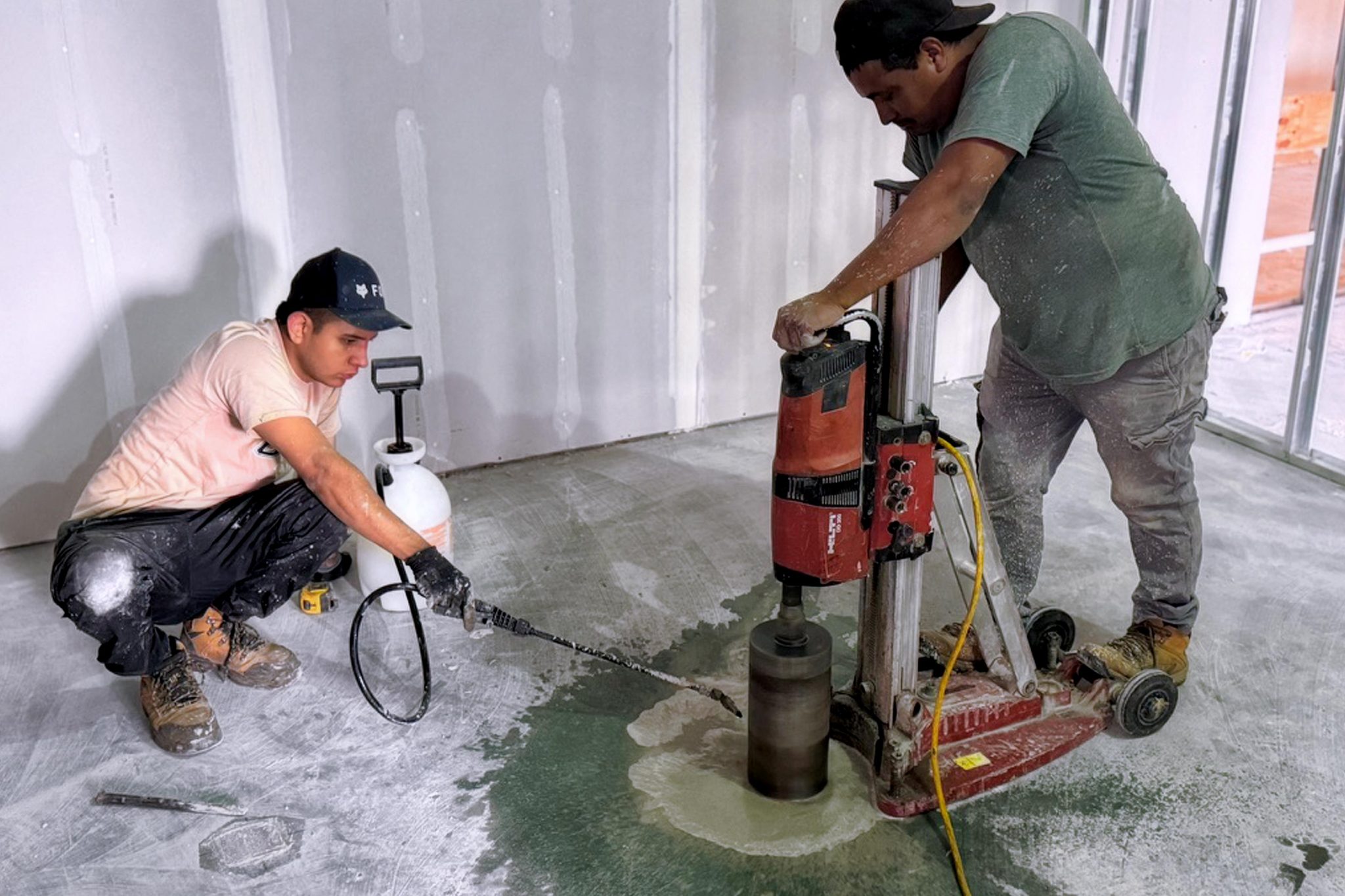
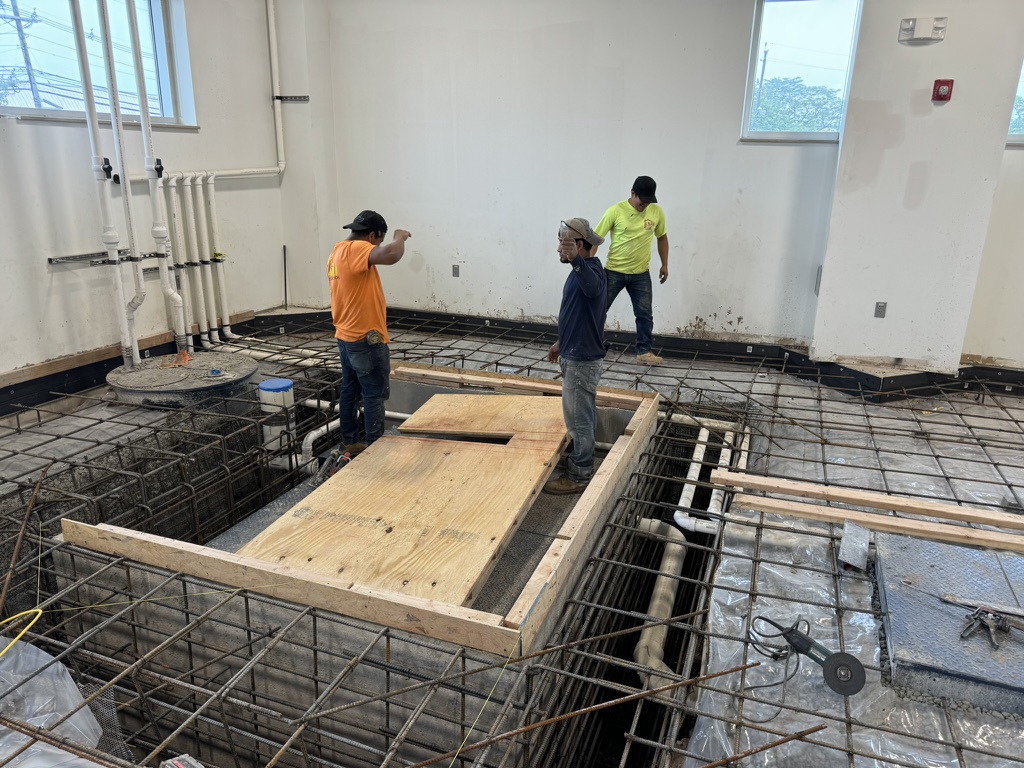
Interior systems are more common in many NJ homes because they are practical and less invasive. These systems often include a perimeter drainage channel along the inside footing, a sump pit and pump, and wall vapor management that directs seepage downward into the drainage system. This does not make water disappear outside, but it controls where that water goes and prevents it from surfacing across the basement floor.
Neither method is automatically better in every case. The right choice depends on access, budget, severity, wall type, finished space, and whether you are trying to manage seepage or fully rebuild a failing moisture barrier. On some projects, the best result comes from combining exterior corrections with interior drainage.
The fixes homeowners hear about most often
When contractors talk about waterproofing, the options can sound technical fast. In practice, most solutions fall into a handful of categories. Each addresses a different failure point.
- Improve exterior water control with gutters, downspout extensions, grading, and sometimes swales or drain lines.
- Seal specific cracks or penetration points, often with epoxy or polyurethane injection where appropriate.
- Install an interior perimeter drain and sump pump system to relieve water at the footing and channel it out.
- Excavate outside the wall for membrane waterproofing and exterior drainage repairs.
- Reduce indoor moisture with dehumidification and better ventilation when humidity is the main problem.
A trustworthy recommendation usually connects the proposed work to the actual path of the water. If someone jumps straight to a full system without explaining why, ask more questions. Good waterproofing is diagnosis first, installation second.
Crack sealing is useful, but it is not a cure-all
Foundation cracks make homeowners nervous, and reasonably so. Some are mainly cosmetic, while others leak or reflect structural movement. A simple vertical crack in poured concrete can often be sealed effectively with injection if the wall is otherwise stable. That can be a durable repair for that crack. What it does not do is solve broader water pressure around the foundation if the drainage conditions remain poor.
Horizontal cracks, stair-step cracks in block or masonry, bulging walls, and repeated movement deserve closer evaluation. Waterproofing and structural repair are related, but they are not identical. A contractor focused only on water control may not be the right person to judge structural distress. If the wall itself is compromised, you want that addressed directly.
In older New Jersey homes with stone or mixed-material foundations, repairs can be trickier. These walls can have many voids and irregular joints. They may need repointing, drainage improvements, and moisture management rather than one neat modern repair method. That is one reason experience with local housing types matters.
The sump pump is the heart of many systems
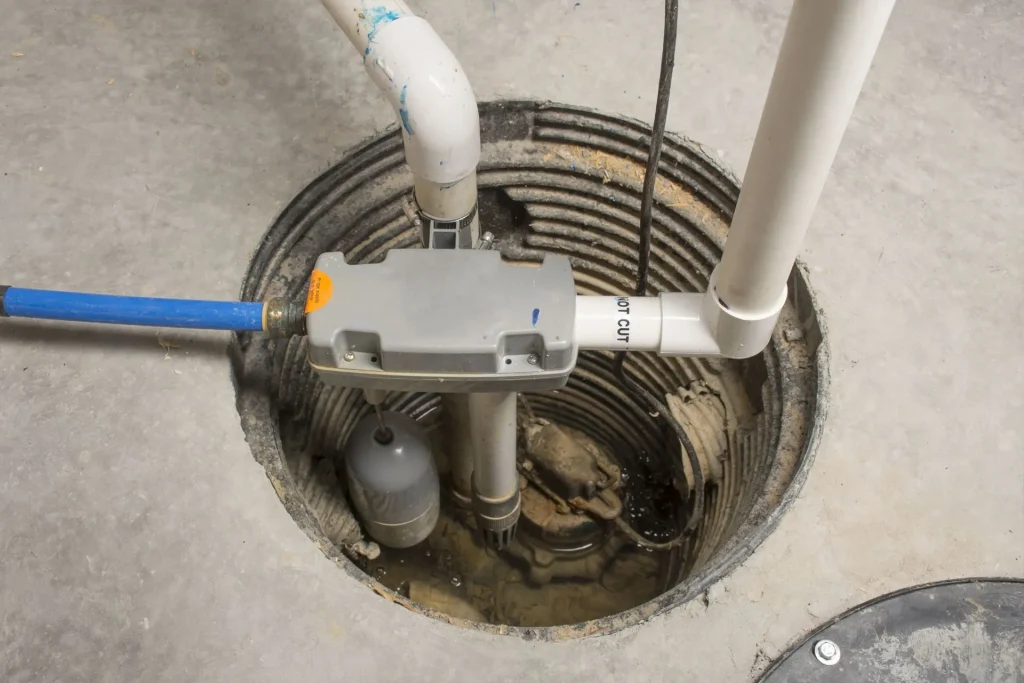
For many basements, the sump pump is not an extra. It is the engine that keeps the waterproofing system working during heavy rain. Water collected by an interior drain system flows to the sump pit, and the pump discharges it away from the house. If the pump fails during a storm, your dry basement can become a wet one quickly.
A basic pump may be enough in a low-risk setting, but homes with frequent water intrusion, finished basements, or unreliable utility power often benefit from more protection. Battery backups and water-powered backups can help during outages. Alarm systems can alert you before the pit overflows. Discharge lines should send water far enough from the foundation that it does not cycle right back into the same saturated soil.
This is not an area to cheap out blindly. A pump that costs less upfront may be fine for a lightly used utility basement. It is a different calculation if your basement has flooring, drywall, furniture, or mechanical equipment you cannot afford to soak. The most expensive basement waterproofing job can still fail if the sump system is undersized, poorly installed, or neglected.
What proper diagnosis looks like before any work begins
A serious inspection usually starts outside, not inside. The contractor should look at grading, roof drainage, foundation exposure, cracks, nearby hardscaping, and any signs that water is being directed toward the house. Inside, they should note where staining appears, whether seepage is concentrated at the floor-wall joint or mid-wall, how old the home is, and whether humidity is part of the issue.
Homeowners can make the process more useful by paying attention to patterns. Try to remember when the problem occurs. Is it after every storm, only after snowmelt, only on one wall, or only when the power goes out and the pump stops? Photos and notes help. So does moving stored items away from problem areas so the inspector can see the surfaces clearly.
Some warning signs deserve faster action. If you notice mold growth, rotting framing, electrical hazards near wet areas, or visible wall movement, waiting for the next rainy season is not wise. Moisture problems tend to compound. The basement itself is one issue, but the larger risk is what repeated dampness does to the rest of the house over time.
Common misconceptions that cost people money
One misconception is that a dry basement last month means the problem is solved. Basement water problems can be seasonal and intermittent. A drier-than-usual stretch of weather can make almost any basement seem improved.
Another is that waterproof paint equals waterproofing. Those coatings have their place, especially in mild moisture conditions, but they do not eliminate water pressure in the soil. Used alone on an actively leaking wall, they often peel or fail.
A third is that all damp basement smells mean a leak in the wall. Sometimes the culprit is a dehumidification problem, an uninsulated cold water line, or poor air circulation in a finished basement. Moisture is moisture, but the fix depends on the source.
The last big misconception is that the lowest bid is the smartest bid. Basement waterproofing scope can vary widely between proposals. One contractor may price only a crack injection. Another may include a full perimeter system, pump, wall treatment, and discharge line work. Neither number means much without understanding what is included and why.
Questions worth asking before hiring anyone
When homeowners compare waterproofing companies, they often focus on price first. Price matters, but clarity matters more. Ask what evidence supports the diagnosis. Ask whether the recommendation controls exterior water, interior water, or both. Ask what maintenance the system requires. Ask what happens if the pump fails, where the discharge goes, and whether the basement can be finished safely afterward.
A few practical questions can reveal a lot:
- Where is the water entering, and how do you know?
- What part of this solution manages the cause versus the symptom?
- Will this work change the basement humidity, or only liquid water intrusion?
- What maintenance should I expect each year?
- If I finish the basement later, what precautions still apply?
A contractor who explains the trade-offs plainly is usually easier to trust than one who promises that one product solves everything.
What basement waterproofing usually costs in New Jersey
Costs vary because the work varies. A single crack repair is a different job from a full perimeter drain with sump pump and backup. Exterior excavation can cost much more than interior drainage because of labor, access, and restoration. Finished basements, tight spaces, and difficult site conditions add complexity.
It is more honest to think in categories than in one magic number. Minor targeted repairs may run in the hundreds to low thousands. Interior drainage systems with a pump often land in the several-thousand-dollar range, sometimes higher depending on basement size and features. Exterior waterproofing can climb well beyond that when excavation, membrane work, drainage replacement, and restoration are involved. If someone gives you a price without spending time diagnosing the source, be careful. A precise quote on a vague problem is not precision. It is salesmanship.
Also consider the hidden costs of doing nothing. Replacing ruined flooring, drywall, insulation, stored belongings, or mechanical equipment can exceed the cost of a proper waterproofing system. Repeated moisture can also hurt resale value because buyers and inspectors notice signs of water fast.
Maintenance matters more than people think
A professionally installed system is not a set-it-and-forget-it feature. Gutters clog. Downspouts loosen. Discharge lines freeze or get blocked. Sump pumps age out. Dehumidifiers stop working efficiently when filters are dirty. Even grading can change over time as soil settles.
Once the basement is under control, keep it that way with routine attention. Test the sump pump before storm season. Make sure the discharge point stays clear. Clean gutters regularly. Check that the ground near the house still slopes away. If you have a battery backup, know its age and replacement schedule. These are small chores compared with the disruption of a water event.
A homeowner once told me their waterproofing "stopped working" after only a few years. The actual issue turned out to be simple: the exterior discharge line had been crushed during later landscaping work. The pump was running, but the water had nowhere to go. That kind of problem is frustrating because the system itself was fine. The surrounding details were not.
Finishing a basement after waterproofing
A dry basement is not automatically a finished-basement-ready basement. The assembly choices still matter. If a basement has had a history of moisture, use materials and methods that tolerate some risk better. Keep insulation choices appropriate for below-grade walls. Avoid trapping moisture where it cannot dry. Think carefully about flooring. A wall system designed to direct incidental seepage into a drain should not be blocked by finishes that ignore how the waterproofing works.
This is where coordination matters. The waterproofing contractor, general contractor, and homeowner should all understand the same plan. I have seen beautiful basement remodels damaged because the finishing crew unknowingly covered access points, buried inspection areas, or installed moisture-sensitive materials directly against vulnerable surfaces.
When Basement Waterproofing NJ is urgent, and when it can wait a little
Some basement issues are annoying but manageable for a short time. Others should move to the front of your list. If there is standing water, moldy odor spreading into the living space, visible wall movement, frequent sump activity with no backup plan, or damage near electric panels or appliances, treat it as urgent. Those conditions can escalate quickly and become more expensive to correct.
If the problem is light humidity, minor efflorescence, or isolated dampness during rare storms, you may have time to diagnose carefully and compare options. Just do not confuse "not an emergency today" with "safe to ignore indefinitely." Basements rarely improve on their own.
A good outcome usually comes from a calm, informed approach. Learn how your house handles water. Watch the patterns. Fix the obvious exterior issues first where appropriate. Then choose a waterproofing solution that matches the actual problem, not just the symptom that happens to be easiest to see.
For homeowners trying to make sense of Basement Waterproofing NJ, that is the plain-English version: keep water away from the foundation when you can, manage it safely when you cannot, and never assume every wet basement needs the same fix. A basement stays dry because several parts of the house work together, the roof, the yard, the drains, the walls, and the pump. When one piece fails, water finds it. When the system is thought through properly, the basement stops being a recurring worry and goes back to being part of the home you can use with confidence.
ARD Waterproofing
Address: 98 Smull Ave, West Caldwell, NJ 07006
Phone number: +12016465936
FAQ About Basement Waterproofing NJ
What is the best waterproofing method for a basement?
The best overall approach to waterproofing a basement is a combined exterior and interior system that stops water at the foundation wall and safely manages any moisture that gets through.
What is the average cost to waterproof a basement?
The average cost to waterproof a basement ranges from $2,500 to $15,000, with most homeowners paying around $5,200 for a complete project.
Can a basement be waterproofed from the inside?
Yes, a basement can be waterproofed from the inside, and it is often the most affordable and least disruptive method.